Safety Presentation: Guide, Setup and Templates
Online Induction >> Safety PresentationPublished 02/03/2026
 A safety presentation is a critical ongoing course that workplaces need to ensure all staff, contractors, volunteers, visitors and suppliers have gone through and understood. It’s not just for new staff, existing staff need to be kept up to date on important changes to sites, projects and the workplace and might need to undergo multiple safety presentations as part of their job role throughout the year. Workplaces and sites change, they evolve, from new regulations, emerging hazards through to new risks identifies or updated procedures, its important employees, contractors and other workers are all kept up to date and informed on all safety matters through a safety presentation.
Here is a breakdown of essential topics and sections you might include in a safety presentation
- Emergency Procedures: Where are the exits? Where is the rally point? (Don't assume people know)
- Fire Safety: Locations of extinguishers
- First Aid Kits: Location of kits and the registry of first aiders are on site
- Reporting Hazards: How to report a hazard, a near miss before it becomes an incident
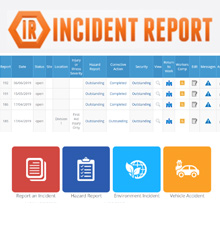
- Incident Reporting: How to report an incident when something goes wrong in the workplace
- Site access: how should workers enter the workplace, especially contractors, from where, after hours access and other procedures

Designing a Safety Presentation for Desk based teams
For desk-based teams, the risks are often long-term and ergonomic rather than immediate and physical. When it comes to creating a safety presentation for desk-based teams, the topic might not immediately seem as pressing as those concerning more hazardous work environments. However, even in an office setting, there are numerous safety considerations that can greatly enhance employee well-being and productivity. One of the most important topics to cover is ergonomic workstation setup. Ensuring that desks, chairs, monitors, and peripherals like keyboards and mice are positioned correctly can prevent common issues such as back pain and repetitive strain injuries. Encouraging employees to take regular breaks and perform simple stretches can also go a long way in promoting physical health.Another key area to address in your safety presentation is digital security. In today's increasingly connected world, safeguarding sensitive information is paramount. This includes educating employees about phishing scams, secure password practices, and safe internet browsing habits. Office workers should also be aware of the importance of keeping software updated to protect against vulnerabilities. By fostering a culture of awareness around digital risks, you help shield your organization from potential data breaches that could have serious repercussions.
Lastly, it's crucial not to overlook emergency preparedness even in a seemingly safe office environment. Ensure your team knows what to do if there's a fire or other emergency situation by reviewing evacuation routes and procedures regularly. It’s also beneficial to familiarize them with basic first aid practices or the location of first aid kits within the office space. While these may seem like simple steps, being prepared can make all the difference when seconds count. By addressing these common topics in your safety presentation for desk-based teams, you contribute significantly towards creating a safer workplace where employees feel valued and protected.
Common topics:
- Ergonomics: Proper chair height, monitor distance, and the importance of "standing breaks."
- Electrical Safety: Avoiding "daisy-chaining" power strips and managing cable trip hazards.
- Slips, Trips, and Falls: The #1 cause of office injuries (usually open drawers or wet breakroom floors).
- Mental Health & Burnout: Recognizing signs of chronic stress as a safety issue.
Industrial, Lab, or Construction
If workers are in the field of industrial, lab or construction, these areas require high-detail technical training and strict adherence to PPE (Personal Protective Equipment). You might include topics such as:- Lockout/Tagout (LOTO): Ensuring machines are de-energized during maintenance.
- Chemical Safety (SDS): How to read Safety Data Sheets and handle spills.
- Fall Protection: Harnesses, scaffolding safety, and ladder protocols.
- Machine Guarding: Never bypassing safety sensors or physical barriers.
Modern & Emerging Safety
Safety isn't just about physical objects anymore; it includes the digital and psychological space.- Cybersecurity Awareness: Physical security of hardware and spotting phishing attempts.
- Workplace Violence: De-escalation tactics and "Run, Hide, Fight" protocols.
- Driving & Commuting: Distracted driving policies for company vehicles or remote workers.
QR Code Safety Presentation
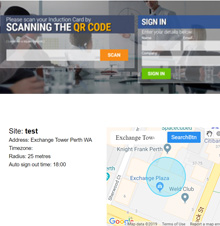
Setup a QR code poster for an example contractor safety presentation
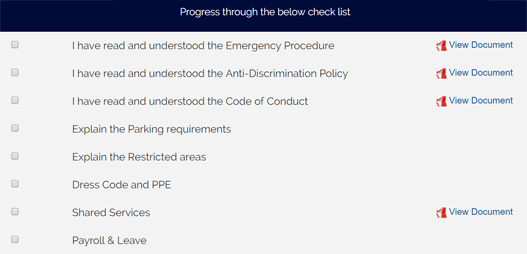
Create a Safety Presentation

Final thoughts for creating the best Safety Presentations for your workforce
When it comes to crafting a compelling safety presentation, the key is to engage your audience while ensuring they leave with essential knowledge. One common topic that should undoubtedly be part of any safety presentation is emergency procedures. Covering what steps to take in the event of an emergency is crucial, whether it's a fire, natural disaster, or medical incident. It's not just about listing steps; use vivid storytelling and real-life examples to illustrate potential scenarios. This helps participants visualize themselves in such situations and understand the importance of preparedness.Another vital component is the discussion of workplace hazards specific to your industry or environment. While generic safety advice has its place, drilling down into the specifics makes your presentation more relevant and impactful. Discuss common risks employees might face daily and delve into why they occur, how they can be prevented, and what protective measures are available. Encourage interaction by asking attendees for their input on potential hazards they've noticed—this not only keeps them engaged but also empowers them to be proactive about safety.
Consider including a segment on mental health awareness within the context of workplace safety. Stress and mental fatigue can significantly impact an individual’s ability to perform tasks safely. Highlight resources available for mental health support and stress management techniques that can help maintain a safe working environment. This holistic approach ensures that you're not just ticking boxes but genuinely contributing to creating safer workplaces where employees feel valued and cared for on all fronts.
View Example Safety Presentations