Construction Onboarding Software: Guide, Setup, Platform
Online Induction >> Construction Onboarding SoftwarePublished 02/06/2026
 The construction industry is a powerhouse of innovation, but managing its dynamic, project-based workforce presents unique operational hurdles. From safety mandates to union regulations, getting a diverse crew ready for the job site is a high-stakes race against the clock. Construction onboarding software has become the essential bridge between recruitment and active production, ensuring that every worker is safe, compliant, and productive from the first hour.
The Cost of Manual Onboarding in Construction
Traditional, paper-based onboarding is more than just an administrative headache; it is a project risk. In an industry where "time is money," delays in verifying certifications or signatures can stall an entire phase of construction.- Compliance Gaps: Missing OSHA certifications or expired business licenses can lead to massive site fines.
- Safety Risks: Without a digital audit trail, ensuring every worker has viewed site-specific safety briefings is nearly impossible.
- Administrative Bloat: HR teams often spend hours manually entering data from wrinkled, dirt-stained paper forms.
See how our construction onboarding software digitizes your paperwork and secures your site compliance.

Essential Features of Modern Construction Onboarding Systems
A robust platform must go beyond basic document storage. It needs to handle the rugged, fast-paced reality of the construction environment.1. Digital Document and License Management
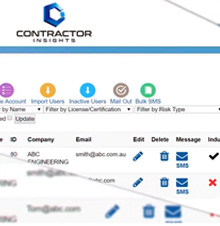
Construction requires a vast array of documentation, from trade licenses and heavy equipment certifications to tax forms and union agreements. Automated systems collect these documents before the worker arrives on site.
- Automated Expiry Alerts: The software tracks license expiration dates and alerts management before a worker becomes non-compliant.
- E-Signatures for Field Use: Workers can sign NDAs, safety acknowledgments, and contracts on a tablet or mobile device directly at the site trailer.
2. Site-Specific Safety and Training
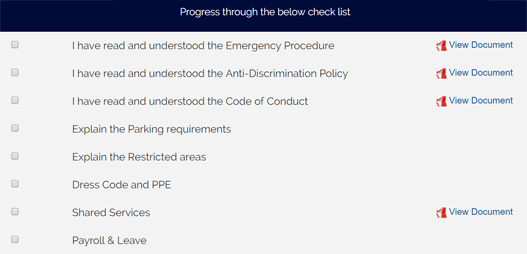
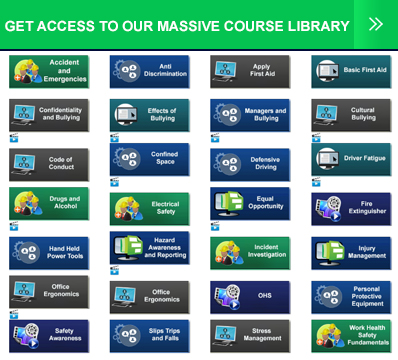
Safety is the non-negotiable priority on any project. Onboarding software allows firms to deliver mandatory safety modules (like HAZWOPER or Fall Protection) through a mobile-first interface. This ensures that every individual has passed the necessary quizzes and viewed site protocols before their badge is activated.
3. Real-Time Resource Visibility
Project managers need to know who is on-site and what they are qualified to do. A digital skill matrix allows for the instant verification of worker experience, ensuring that specialized tasks are only performed by verified professionals.
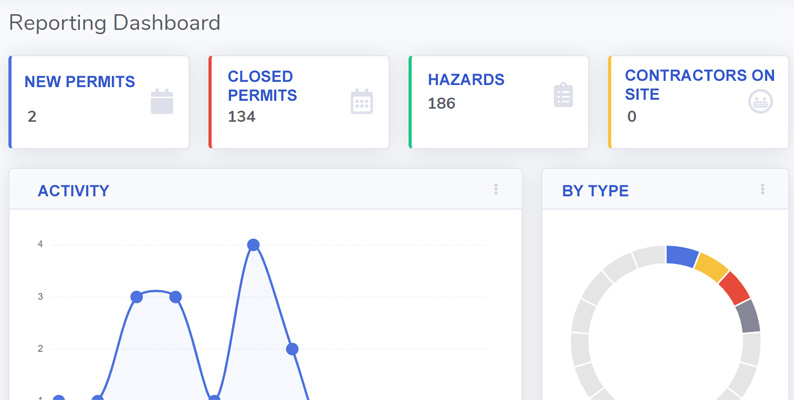
See our dashboard and gain real-time visibility into your workforce readiness.
The Core Phases of the Construction Lifecycle
To be effective, the onboarding software must manage a worker through three specific stages of project integration:Phase One: Pre-Site Vetting Before. A contractor or employee ever steps onto the job site, the software verifies their identity, trade certifications, and insurance coverage. This prevents "red flag" workers from entering the project area and protects the firm from liability.
Phase Two: Digital Integration and Training. Once vetted, the worker is guided through a digital journey. This includes signing site-specific safety agreements, viewing project blueprints or manuals, and assigning intellectual property rights. Because this happens digitally, the "time-to-productivity" is cut by up to 70%.
Phase Three: Ongoing Compliance and Offboarding. Onboarding is not a one-time event. The software continues to monitor license validity throughout the project duration. When the project ends, the system automates the offboarding process, revoking digital access and archiving all compliance data for future audits.
Why Leading Firms are Switching to Digital Onboarding
The move away from spreadsheets and filing cabinets is driven by the need for speed and accuracy. Modern construction onboarding software provides:- Faster Site Mobilization: Get crews to work in hours instead of days.
- Audit-Ready Records: Maintain a 100% digital paper trail for OSHA or insurance inspectors.
- Improved Retention: Skilled tradespeople prefer working with organized, professional firms that don't waste their time on redundant paperwork.
See a demo of our software and learn how we can secure your next project.