Gamification Training Examples:
How to Boost Engagement and Learning Outcomes
Online Induction >> Gamification
Published 27/06/2026
 Employee training is most effective when people are actively engaged in the learning process. Yet many organisations still rely on traditional training methods that can feel repetitive, leading to lower participation and poor knowledge retention.
This is where gamification training examples can provide real value. By introducing game-inspired elements into workplace learning, organisations can create more engaging training experiences that motivate employees to participate, complete courses, and retain information.
Whether used for onboarding, compliance training, or professional development, gamification can transform learning from a task employees have to complete into an experience they want to complete.
View Gamification Templates and Examples

What Is Gamification in Training?
Gamification in training involves applying game mechanics to learning activities to encourage participation, engagement, and achievement.Common gamification features include:
-
- Points and scoring systems
- Leaderboards
- Badges and achievements
- Progress tracking
- Challenges and missions
- Rewards and recognition
Gamification Training Examples for Workplace Learning
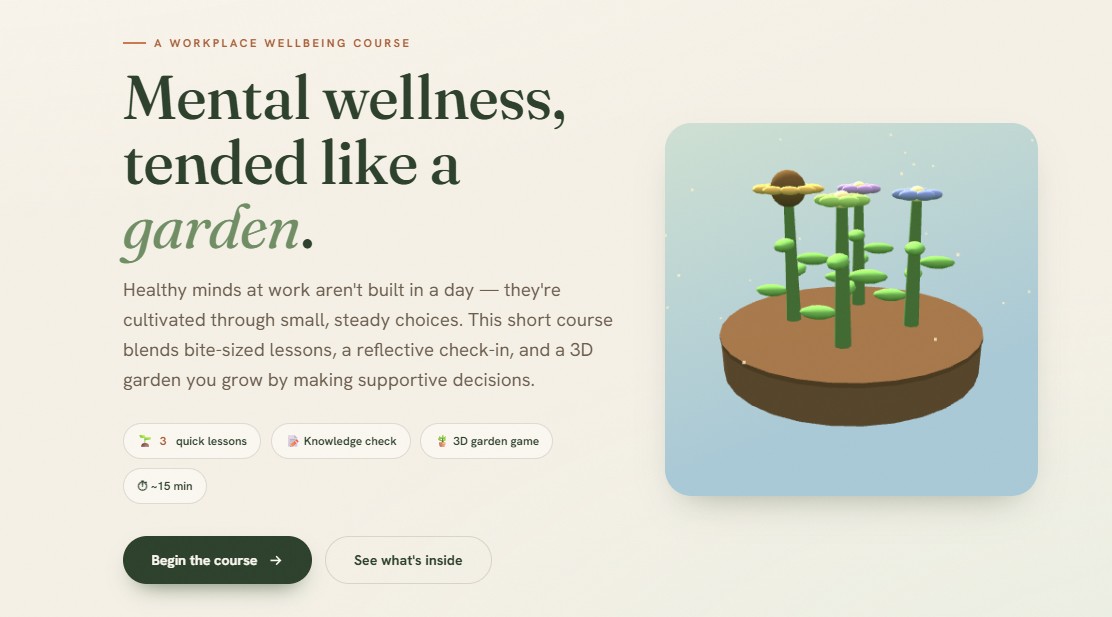 There are many practical ways organisations can incorporate gamification into employee training programs. The following gamification training examples can be applied across a wide range of industries and learning environments.
Interactive Quizzes and Knowledge Challenges
One of the most popular gamification training examples is the use of interactive quizzes. Employees earn points for correct answers, compete for high scores, or unlock additional learning content as they progress.This approach works particularly well for:
-
- Compliance training
- Workplace safety training
- Product knowledge
- Policy and procedure training
Achievement Badges and Certifications
Digital badges give employees visible recognition for completing training milestones and developing new skills.Examples include badges for:
-
- Completing onboarding modules
- Finishing compliance courses
- Achieving product knowledge certifications
- Completing leadership development programs
Scenario-Based Learning Challenges
Scenario-based training places employees in realistic workplace situations where they must make decisions and solve problems.Examples may include:
-
- Responding to a customer complaint
- Managing a workplace incident
- Completing a safety inspection
- Resolving a team conflict
Team Learning Competitions
Friendly competition can significantly increase engagement and participation.Teams can compete by:
-
- Completing training modules
- Achieving the highest quiz scores
- Solving workplace challenges
- Reaching learning milestones
Gamification in Onboarding and the Training Process
 One of the most effective gamification training examples is employee onboarding.
New employees are often required to absorb a large amount of information in a short period. Gamified onboarding helps break the learning journey into manageable steps while providing regular motivation and feedback.
Examples of gamification in onboarding include:
-
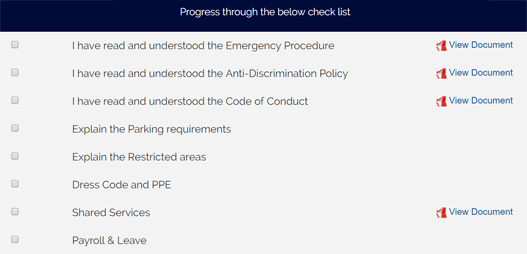
- Welcome challenges that introduce company culture and values
- Interactive tasks that familiarise employees with workplace systems
- Progress trackers showing onboarding completion status
- Achievement badges for completing key milestones
- Knowledge checks throughout the induction process
Gamification can also be used throughout the broader training process, supporting:
-
- Compliance training
- Health and safety training
- Leadership development
- Technical skills training
- Product and service education
Benefits of Gamified Training Programs
Organisations implementing gamification often experience measurable improvements in learning outcomes and employee engagement.Improved Engagement
Gamification transforms passive learning into an active experience. Employees are more likely to participate when training includes challenges, rewards, and clear goals.Better Knowledge Retention
Learning is more effective when employees actively participate. Gamified training encourages repetition, practice, and reinforcement, helping learners retain information for longer.Higher Completion Rates
Progress indicators, rewards, and achievement milestones encourage employees to complete training programs that may otherwise be delayed or ignored.Increased Motivation
Recognition through badges, points, and leaderboards creates a sense of accomplishment and encourages employees to continue learning.Stronger Workplace Performance
Employees who engage with training and retain knowledge are better equipped to apply their skills in real-world situations, contributing to improved workplace performance and productivity.Enhance Employee Training with an Online Induction System
The best gamification training examples combine engaging learning experiences with technology that makes training easy to manage and track.A modern online induction system provides a central platform for onboarding, compliance training, and ongoing employee development. Features such as progress tracking, interactive quizzes, achievement badges, learning pathways, and completion rewards help create a more engaging learning experience from day one.
In addition to improving engagement, online induction systems help organisations automate administrative tasks, maintain compliance records, track completion rates, and gain greater visibility into employee learning progress.
By combining gamification with a well-designed online induction system, organisations can create a more effective onboarding and training experience that supports both employee success and long-term business outcomes.
View templates, forms, checklists and courses