The Essential Guide to Mining Orientation
- Preparing for On-Site Success
Online Induction >> Mining Orientation
Published 05/05/2026
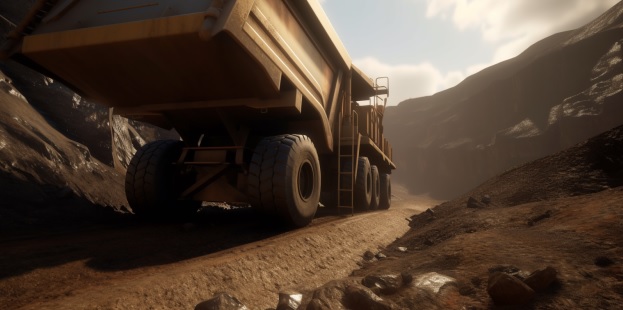 Completing a comprehensive mining orientation is the most critical step for any employee, contractor, or visitor before stepping onto a mine lease. Mining environments are inherently high-risk, characterized by massive machinery, volatile materials, and constantly shifting terrain.
This article serves as a deep dive into the core components of a standard site-specific induction, ensuring you have the foundational knowledge to navigate the operational, safety, and cultural expectations of the industry.

1. The Purpose of Mining Orientation
A mining orientation is more than just a regulatory hurdle. It is a strategic alignment process designed to synchronize every worker with the site’s Safety Management System (SMS). Whether you are a seasoned underground miner or a surface contractor, the orientation ensures that everyone speaks the same "safety language."
In most jurisdictions, this process is a legal requirement under Work Health and Safety (WHS) or Mine Safety and Health Administration (MSHA) laws. It covers the specific hazards of the local geology, the layout of the processing facilities, and the unique emergency response protocols of the site.
2. Safety Leadership and Personal Responsibility
The backbone of any successful mining operation is a culture of Safety Leadership. This means that safety is not just the responsibility of the supervisors or the OHS team- it sits with the individual.
- Risk Assessment Tools: During your orientation, you will be trained in specific risk assessment tools such as the Take 5, Job Hazard Analysis (JHA), and Work Area Inspections. These are not just paperwork; they are proactive methods to identify "Line of Fire" hazards and "Pinch Points" before a task begins.
- The Right to Refuse Unsafe Work: A key pillar of modern mining orientation is empowering workers. If a task does not match the procedure, or if the environment has changed (e.g., weather-related ground instability), you are expected to pause and reassess.
3. High-Risk Operational Hazards
To maintain a safe workplace, every worker must be intimately familiar with the Life-Saving Rules or "Fatal Risk Controls." These are the protocols governing the activities most likely to result in a critical incident.
Mobile Equipment and Vehicle Interaction
Mine sites utilize some of the largest land vehicles on earth. Because of this, vehicle interaction is a leading safety focus.
- Positive Contact: Never approach heavy machinery (like haul trucks or loaders) until you have established "Positive Contact" via two-way radio or a clear, acknowledged hand signal from the operator.
- Exclusion Zones: Always respect designated exclusion zones. A haul truck operator may have a blind spot that extends over 20 meters; if you can't see their mirrors, they definitely cannot see you.
Energy Isolation and Lockout-Tagout (LOTO)
Mining involves immense power-hydraulic, electrical, and mechanical.
- Zero Energy State: Before any maintenance occurs, equipment must be brought to a "Zero Energy State."
- Personal Locks: Your Mining Orientation will cover the specific LOTO hardware used on-site. You must apply your own personal lock and danger tag; relying on someone else's lock is a major breach of safety protocol.
4. Site-Specific Communication Protocols
Effective communication is the "glue" that holds a mine site together. During your induction, you will be briefed on the site's Radio Etiquette and communication channels.
- Clear and Concise: Radio channels are for operational and safety-critical information only.
- The "Two-Way" Rule: Always repeat back critical instructions (like "Clear to haul" or "Blasting in 5 minutes") to ensure there is no misunderstanding.
- Emergency Radio Silence: If an emergency is declared, all non-essential radio traffic must cease immediately to allow the Emergency Response Team (ERT) to coordinate.
5. Environmental Stewardship and Heritage
Modern mining is committed to minimizing its environmental footprint. Your mining orientation includes modules on how we protect the land we work on.
- Hazardous Materials Management: Learn the locations of spill kits and the reporting process for any hydrocarbon or chemical leaks.
- Waste Segregation: Mine sites have strict recycling and waste streams to prevent groundwater contamination.
- Cultural Heritage: Many operations exist on land with deep indigenous or historical significance. Respecting "No-Go" zones around heritage sites is a condition of employment.
6. Health, Fatigue, and Wellbeing
The "Human Factor" is the most unpredictable element on a mine site. High-heat environments and 12-hour rosters can lead to Fatigue, which impairs judgment as much as alcohol.
- Hydration Management: In many mining orientations, you will be taught to monitor your hydration levels- a critical step in preventing heat stroke in remote or underground locations.
- Fatigue Reporting: If you feel unfit for work due to exhaustion, you are encouraged to report it to your supervisor. It is a safety issue, not a performance issue.
7. Emergency Response and Muster Procedures
Every mining orientation concludes with a clear explanation of what to do when things go wrong. You must know:
- The Emergency Signal: Is it a continuous siren, a pulsed tone, or a radio broadcast?
- Muster Points: Know the primary and secondary muster locations for your specific work area.
- Self-Rescuers: If working underground, you will be trained on how to use self-contained self-rescuer (SCSR) units and where the nearest refuge chambers are located.
Your Safety Begins Here
Completing your mining orientation is the first step in a successful career on-site. It provides the framework for risk management, the rules for survival, and the cultural expectations of the team. Remember: the most important thing to come out of a mine is the miner.