Online Induction >> Understanding EMR: Why It Matters for Companies
Published 08/01/2026
 When navigating the world of insurance and risk management, one term that frequently pops up for businesses is "Experience Modification Rate," or EMR. But what exactly is a company EMR, and why should it matter to you? In simple terms, an EMR is a numerical representation of a company's safety record compared to others in its industry. It's calculated based on past insurance claims and determines your workers' compensation premium. Think of it as a scorecard that reflects how effectively a company manages risk and safety procedures.
 First off, historical claims data plays a pivotal role in determining your EMR. When accidents happen on-site, they don't just impact morale and productivity; they linger as formal records, affecting your future insurance premiums. The frequency and severity of these claims are scrutinized meticulously by insurers. For instance, numerous small incidents could potentially harm your EMR more than an isolated major accident due to perceived lapses in ongoing safety protocols. Therefore, investing in proactive safety training and implementing rigorous on-site standards can go a long way.
 Improving your EMR takes effort but offers significant rewards beyond just lower premiums. Implementing comprehensive training programs, conducting regular safety audits, and fostering an environment where employees feel empowered to report potential hazards are all steps in the right direction. These initiatives reduce workplace injuries and enhance reputation, making you more attractive to partners and clients alike. In essence, focusing on improving your company’s Experience Modification Rate isn’t just about numbers, it's about growing your business responsibly and sustainably.

 Online Demo
 We'll also send you a login and details for our iPhone app!
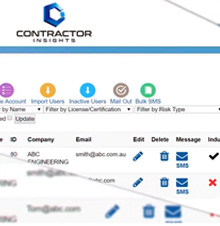
Comprehensive Contractor Management System

What is a safety induction and why is it important
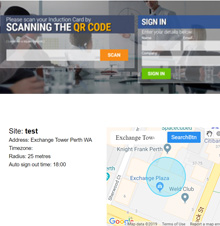
Track who is on site with a QR code check in system, electronic sign in system and visitor sign in app
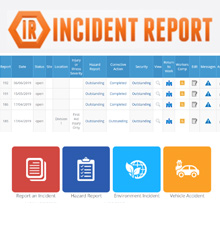
Online Incident Reporting and Hazard Reporting
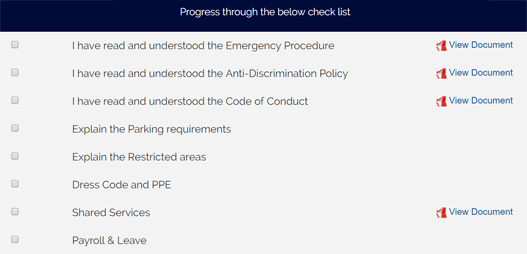
Including induction checklist, induction pack and onboarding program
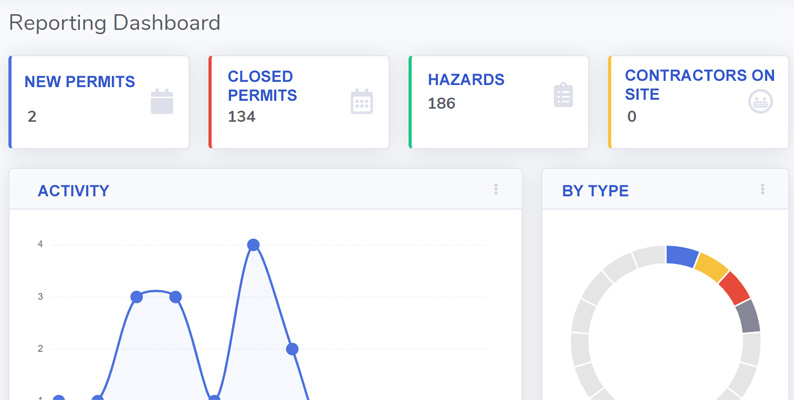
Comprehensive Permit to Work System with permit to work templates

Onboarding Suppliers into the workplace including new vendor checklist
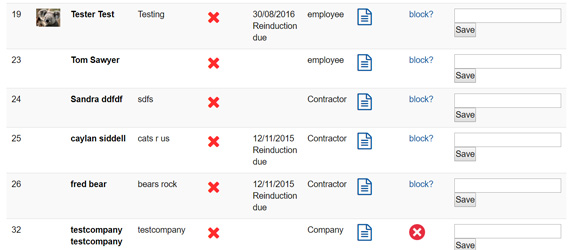
System for managing subcontractors, contractor verification and contractor orientation

Safety and risk review of contractors with safety orientation
Safety matters in and outside the workplace - read the full article here.
Our latest article talking about what insights and lessons learned. Check it out right here.
Check out our latest article about the best company induction design tips.
Check out our latest article about enhancing contractor management through mobile technologies.