This course is perfect for keeping up to date on the topic of Cyber Security and ensuring your are familiar with the basics of this area.

1. Carry out a risk assessment: Identify potential threats, vulnerabilities and the potential impact of a breach.
2. Implement security measures: Make sure security measures such as firewalls, antivirus software and encryption are in place.
3. Monitor devices: Regularly monitor devices for any suspicious activity and look out for any changes in performance or behaviour.
4. Educate staff: Train staff to use best practices when handling data, such as strong passwords and avoiding suspicious emails and links. 5. Monitor external threats: Monitor external sources such as news and social media for any new cyber security threats and plan accordingly.
6. Have a response plan: Ensure you have a response plan in place to deal with any cyber security incidents.
7. Implement security policies: Establish and maintain a set of policies and procedures to protect your organisation from cyber security threats.
Identifying potential cyber security risks is important because it allows organizations to take proactive steps to protect their systems and data from malicious actors. By identifying potential risks, organizations can develop strategies to mitigate those risks and protect their systems and data from attack. Additionally, identifying potential risks can help organizations prioritize their security efforts and allocate resources to the areas of greatest risk.

 Online Demo
 We'll also send you a login and details for our iPhone app!
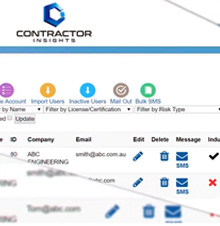
Comprehensive Contractor Management System

What is a safety induction and why is it important
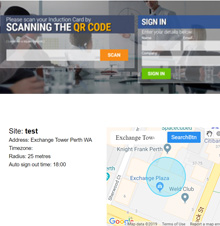
Track who is on site with a QR code check in system, electronic sign in system and visitor sign in app
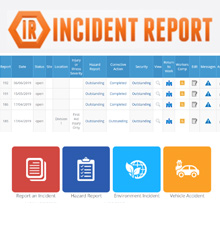
Online Incident Reporting and Hazard Reporting
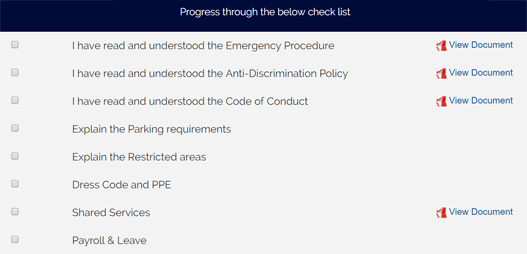
Including induction checklist, induction pack and onboarding program
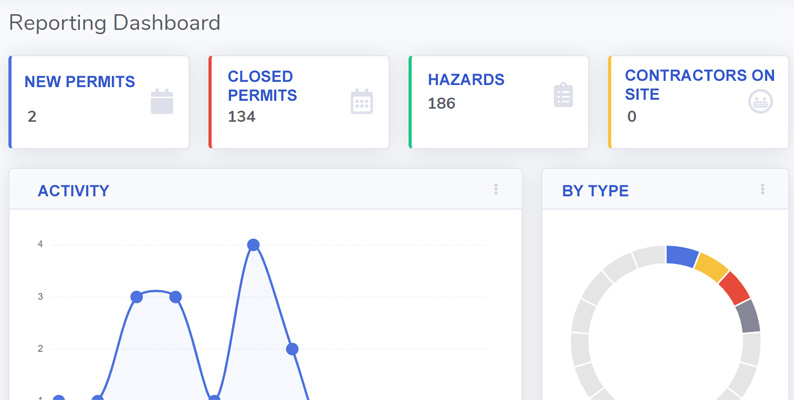
Comprehensive Permit to Work System with permit to work templates

Onboarding Suppliers into the workplace including new vendor checklist
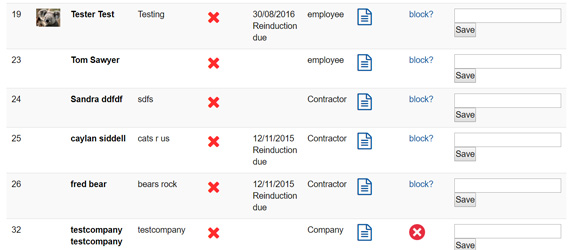
System for managing subcontractors, contractor verification and contractor orientation

Safety and risk review of contractors with safety orientation
Safety matters in and outside the workplace - read the full article here.
Our latest article talking about what insights and lessons learned. Check it out right here.
Check out our latest article about the best company induction design tips.
Check out our latest article about enhancing contractor management through mobile technologies.